
Paris is a living museum — and its museums are worlds within the city. From medieval tapestries to radical contemporary installations, we curate days that feel effortless: right timing, smart routes, and just enough time for a café in between. We particularly love early entries, late openings, and rooftop views you might otherwise miss.
Use this list to sketch your plan — or let us fold it into a tailored curated tour of Paris (private guide + driver on request).
Jump to: Louvre • Musée d’Orsay • Musée de l’Orangerie • Centre Pompidou • Musée Rodin • Musée Picasso • Musée Carnavalet • Marmottan Monet • Bourse de Commerce – Pinault • Fondation Louis Vuitton • When to visit • FAQ
1. Louvre
The world’s largest art museum is a full-day universe. We love planning a focused loop—Greek masterpieces and Italian painting, then a quieter gallery for balance, such as Islamic Arts or the Near East. Early entry changes the whole rhythm.
The palace itself is part of the experience: vaulted halls, courtyards, traces of the medieval moat. If you’re short on time, we build a 2–3 hour “masterpieces + one passion” route, whether that means Renaissance portraits, Dutch still life, or Egyptian favorites.
Insider notes: pick the Carrousel entrance when it’s raining; evenings on selected days are often calmer. Best photo moments include the Daru staircase under the Winged Victory just after opening, and Cour Marly for space and light.
2. Musée d’Orsay
Once a Belle Époque railway station, now the home of Impressionism and Post-Impressionism. We particularly like starting upstairs with Monet, Renoir and Degas, then working down toward Van Gogh and Gauguin. The clock views over the Seine are part of the visit.
The scale is ideal for a half day. We pace rooms to avoid fatigue—color-heavy galleries, then sculpture for contrast—and add short view breaks at the windows. Families often love the variety: painting, sculpture and design all in one place.
Insider notes: arrive at opening or after 16:00. Save the Van Gogh rooms for the last 45 minutes when crowds thin. An upstairs café stop works well if you need a reset before exiting riverside toward the Tuileries.
3. Musée de l’Orangerie
Two oval rooms designed with Monet: immersive, quiet, almost meditative. Downstairs, the collections are smaller but radiant, with Renoir, Cézanne, Matisse and Modigliani.
This is a beautiful bridge between bigger museums: 45–60 minutes can be enough if you are pacing a longer day. We often pair it with a Tuileries stroll or a café on rue de Rivoli before continuing along the river.
Insider notes: arrive near opening for quieter rooms, then sit on the central benches and let your eyes adjust. Photography works best with wider lenses; avoid flash to preserve the calm.
4. Centre Pompidou (Modern & Contemporary)
Paris’s bold inside-out icon: Kandinsky to Duchamp, plus panoramic views from the escalators and rooftop. We particularly love the way temporary exhibitions reframe the permanent collection.
The sequence of rooms makes contemporary art feel readable: strong color, then quiet space, then a surprise object. If you’re traveling with teens, this is often where curiosity switches on.
Insider notes: ride the exterior escalators for skyline views; later slots are often calmer. Note that a long renovation begins around late 2025, so current opening plans should always be checked.
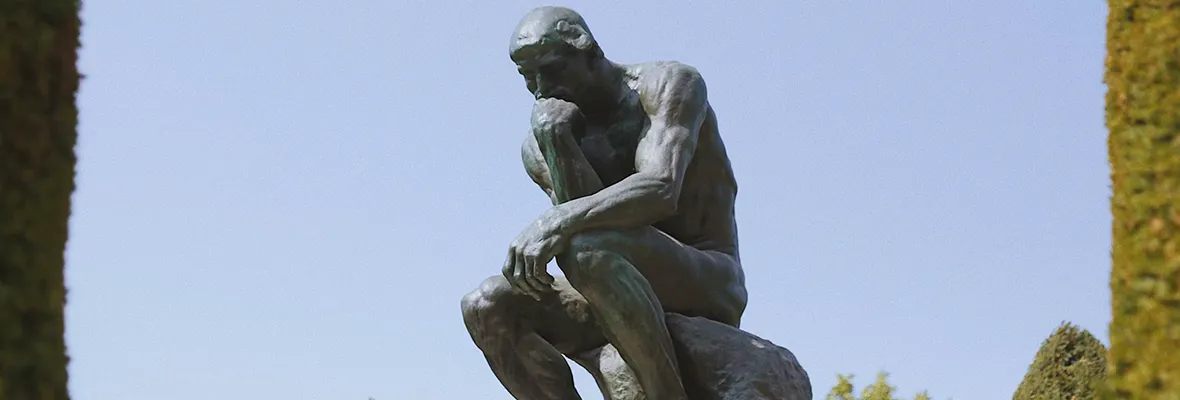
5. Musée Rodin (Hôtel Biron & Gardens)
Indoors for masterpieces, outdoors for wander and light. The garden rhythm is perfect for travelers who need space between galleries. On warm days, we alternate sculpture with shade and save the finale for the Hôtel Biron’s more intimate rooms.
With children, we often turn it into a sculpture hunt—hands, folds, gestures—then continue with a short walk toward the Seine and a reward stop.
Insider notes: late afternoon brings golden edges on bronzes. Garden-only tickets can work if you are short on time. In rain, the Hôtel Biron rooms feel even more atmospheric.
6. Musée Picasso (Hôtel Salé, Marais)
A townhouse devoted to Picasso’s many lives—painting, sculpture, ceramics. Recent redisplays make the visit feel fresh and focused. We love pairing it with a Marais stroll through cafés, courtyards and hidden gardens.
The chronological arc helps first-timers follow the shifts: blue to rose, cubism to classical, then late ceramics that feel playful. Around 60–90 minutes is a sweet spot if you are combining museums in one day.
Insider notes: start upstairs and work down; it keeps the energy high. If it feels crowded, we often add a brief square or courtyard detour before continuing.
7. Musée Carnavalet (History of Paris)
This is our go-to museum for context. We particularly love the period rooms and the way temporary exhibitions connect past and present. Free access to the permanent collection makes it easy to fold into a day.
The story runs from Roman Lutetia to Haussmann and beyond; we usually pick 6–8 rooms that match your interests—revolution, cafés, literature or signage. It is unexpectedly fun with children, especially the old shop fronts.
Insider notes: mid-morning is often calm. Pair with Place des Vosges and a relaxed Marais lunch; it also works beautifully as a rainy-day backup.
8. Musée Marmottan Monet
Home to the world’s largest Monet collection, including Impression, Sunrise. We love the intimate scale and the way the rooms unfold from private salon to gallery.
Away from the center, it feels calmer. We often combine it with a leafy neighborhood walk, then a quiet café pause before heading back. Monet lovers also discover Berthe Morisot here—a highlight in her own right.
Insider notes: late morning or early afternoon works well; plan 60–90 minutes. If you are museumed-out, this is one of the gentlest possible endings to an art day.
9. Bourse de Commerce – Pinault Collection
A 19th-century dome reimagined with a minimal concrete cylinder—the architecture is half the experience. We usually start in the rotunda, then spiral outward; audio works and large installations reward slow looking.
If your schedule is tight, we select one major installation and two side galleries, then a final pause under the dome to absorb the volume of the space.
Insider notes: mornings are crisp and quiet. It pairs easily with a Les Halles stroll and works well between other Right Bank stops.
10. Fondation Louis Vuitton (Frank Gehry)
A glass-sail landmark in the Bois de Boulogne with blockbuster exhibitions and family workshops. We particularly love golden-hour walks around the building and the way the programming mixes modern masters with contemporary voices.
The setting adds breathing room to an art day. We often time it as gallery loop, terrace views, then woodland stroll. It also makes a strong finale before dinner back in the center.
Insider notes: late afternoon gives warm light on the sails. A short ride by car or shuttle often works better than a long walk, so you keep energy for the galleries.
When to Visit & How to Combine Them
For calmer halls and softer light, we like mornings mid-week and evenings on late-opening days. Pair one “big” museum—such as the Louvre or Orsay—with a smaller gem like the Orangerie or Marmottan, then add a garden stroll in between.
Need a family plan or an accessibility-friendly route? We craft pacing, shortcuts and café stops so the day feels easy rather than overfilled.
Discover Paris with Beaurouge
We design door-to-door days with licensed guides, timed entries, and smooth transfers — so you simply enjoy the art and the city.
Paris Museums — FAQ
For the Louvre and d’Orsay, timed tickets help a lot. We handle bookings and pacing in our private tours.
Many national museums offer free entry on the first Sunday of the month, though policies can vary by museum and season.
We keep routes short, add interactive stops, and build in breaks. Sketchbooks, scavenger hunts, and garden time work especially well.
Ready to plan? Browse our Paris tours or message us via Contact.