
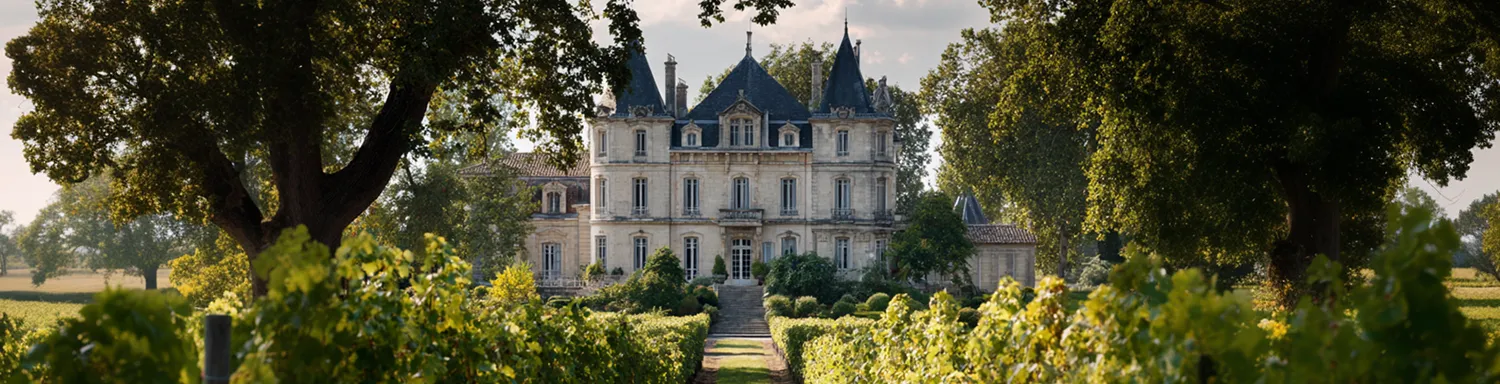
As summer softens into gold, Bordeaux turns rhythmic: the hum of secateurs in the rows, the perfume of ripe grapes, the first fermentations whispering in cool stone cellars. This is harvest season — a fleeting window when the region glows, hands stain purple, and guests are welcomed into a living tradition. For travelers who love culture, craft and cuisine, it is the most intimate moment to experience Bordeaux.
Prefer a seamless day arranged around tastings, estate visits and lunch in the vines? Explore our Bordeaux tours.
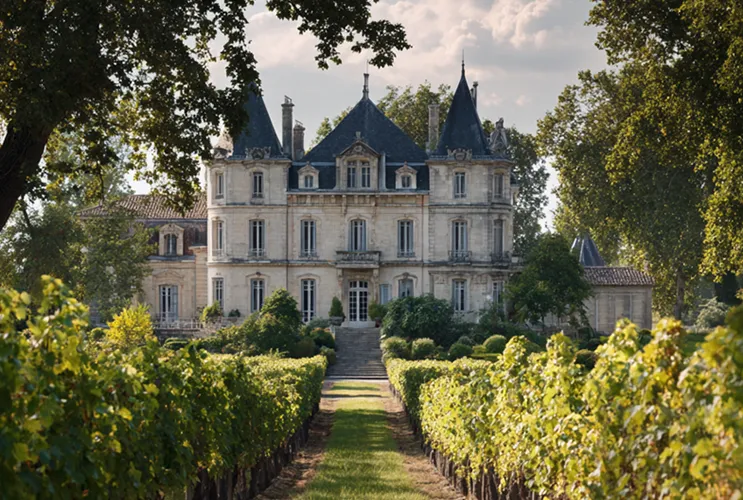
Jump to: What makes harvest special • Immersive overview • Where to experience it • When to go & weather • Getting there from Paris • Insider tips • FAQ
What makes harvest season in Bordeaux special?
Harvest is more than a calendar moment; it’s a choreography. Pickers move down sunlit rows, baskets fill, and the winery buzzes as fruit becomes wine. You’ll taste fermenting juice straight from the vat, compare plots side by side, and understand how weather, soil and hands shape a vintage. Conversations are unguarded, meals generous, and the light — that famous Bordelais glow — turns every lane and château into a painting.
For guests, it’s the most revealing time to connect the romance of Bordeaux with the technical mastery behind it.
Immersive overview
Bordeaux is best understood through its contrasts. The Left Bank brings gravel soils, grand châteaux and Cabernet-led structure; the Right Bank reveals limestone slopes, Merlot softness and a more intimate village atmosphere. Graves and Pessac-Léognan add elegant reds and brilliant whites, while Sauternes follows its own golden rhythm.
Beaurouge tip: choose two estates with contrasting styles — Left vs Right Bank, grand château vs family-run property — to truly feel Bordeaux’s diversity in a single day.
Where to experience harvest at its best
Saint-Émilion & Pomerol — Medieval charm and velvety wines
Medieval lanes, limestone cellars and Merlot-led blends define this postcard region. Expect intimate estates, hillside plots and a softer, more velvety expression in the glass. Harvest here feels especially human in scale, with a close link between village, vineyard and cellar.
Médoc — Grand châteaux and Cabernet structure
Grand avenues, iconic estates and long gravelly plots shape the Médoc’s identity. During harvest, tractors hum between the rows and cellar teams move with precision. Tastings here tend toward structure, spice and age-worthy depth — a classic Left Bank experience.
Graves & Pessac-Léognan — Historic terroirs close to the city
Just outside Bordeaux, this area offers one of the easiest and most rewarding introductions to the region. It is where reds meet outstanding dry whites, and harvest reveals the brightness of Sauvignon Blanc, the texture of Sémillon and the quiet refinement of deeply rooted estates.
Sauternes & Barsac — Golden wines and a slower cadence
Here, harvest unfolds differently. Pickers make selective passes through the rows as noble rot concentrates the berries. The result is liquid gold — luminous, honeyed and unexpectedly thrilling alongside savory dishes as much as dessert.
When to go & what to expect
- Timing: typically late August through October, varying by grape and appellation.
- Early weeks often focus on whites and earlier-ripening plots; later weeks on Merlot and Cabernet.
- Weather: crisp mornings, warm afternoons; pack layers and a light rain shell.
- Reservations: harvest is busy — secure visits and lunches well in advance.
Beaurouge tip: aim for mid-week visits; mornings are calmer in the cellars, and the vineyard light becomes especially beautiful later in the afternoon.
Prefer fewer stops and deeper conversations: two estates and a relaxed lunch often feel better than four rushed tastings.
Getting there from Paris
The TGV from Paris Montparnasse to Bordeaux Saint-Jean usually takes around two to two and a half hours, with frequent services throughout the day. From the station, a private driver-guide makes it easy to continue toward Médoc, Saint-Émilion, Graves or Sauternes without losing time.
- Tickets: book early for better fares and easy e-ticket travel.
- Private driver: ideal during harvest to simplify timing and estate access.
- Stay idea: combine city-chic Bordeaux with a countryside château for two different atmospheres.
Beaurouge tip: arrive by late morning, enjoy lunch near the vines, then plan a golden-hour estate visit for the best light.
Direct high-speed trains link Paris and Bordeaux multiple times per day, making Bordeaux one of the easiest vineyard regions to reach without flying.
Compare schedules and fares on SNCF Connect or Trainline.
Insider tips for a seamless harvest day
- Footwear: wear closed-toe shoes suitable for vineyard paths.
- Pacing: two estates plus lunch is an elegant rhythm; add a city aperitif back in Bordeaux.
- Food pairings: try Sauternes with savory dishes, not only dessert.
- Shipping: many châteaux ship abroad — ask about allocations and import rules.
Beaurouge tip: request a side-by-side tasting of plots or vintages — it’s one of the fastest ways to truly read a terroir.
We curate visits that match your taste, whether you lean toward bold Left Bank reds, silky Right Bank wines or crisp whites in Graves.
Plan your Bordeaux harvest with Beaurouge
Autumn in Bordeaux is luminous: vines turn amber, cellars breathe, and long lunches settle naturally into the day. We design routes around people, places and timing — so harvest feels both effortless and unforgettable.
Bordeaux Harvest — FAQ
Typically late August through October, depending on grape variety and weather. Each estate announces dates based on ripeness, so flexibility is always useful.
Some estates offer limited harvest experiences or behind-the-scenes visits. These are popular and should be booked well in advance.
Many do, often with adjusted schedules. Visits may be shorter, but the atmosphere is especially vivid for wine lovers.
Smart-casual layers, closed-toe shoes and a light jacket are ideal. Rows can be dewy in the morning and afternoons still warm.
Ready to plan? Browse our Bordeaux tours or message us via Contact.